The Remote Work Challenge: Lessons from 5 Cities
The COVID-19 pandemic called into question the economic vitality of U.S. cities. The rise of remote work meant employees experienced zero-minute commutes and a greater ability to balance their work and home lives. Cities, however, confronted the possibility that fewer people would choose to live and work in urban areas. For cities, this economic risk has also posed a budget risk: Cities’ primary revenue sources—property taxes, sales taxes, and income taxes—are typically influenced by the value of office buildings and the wages and spending of office workers.
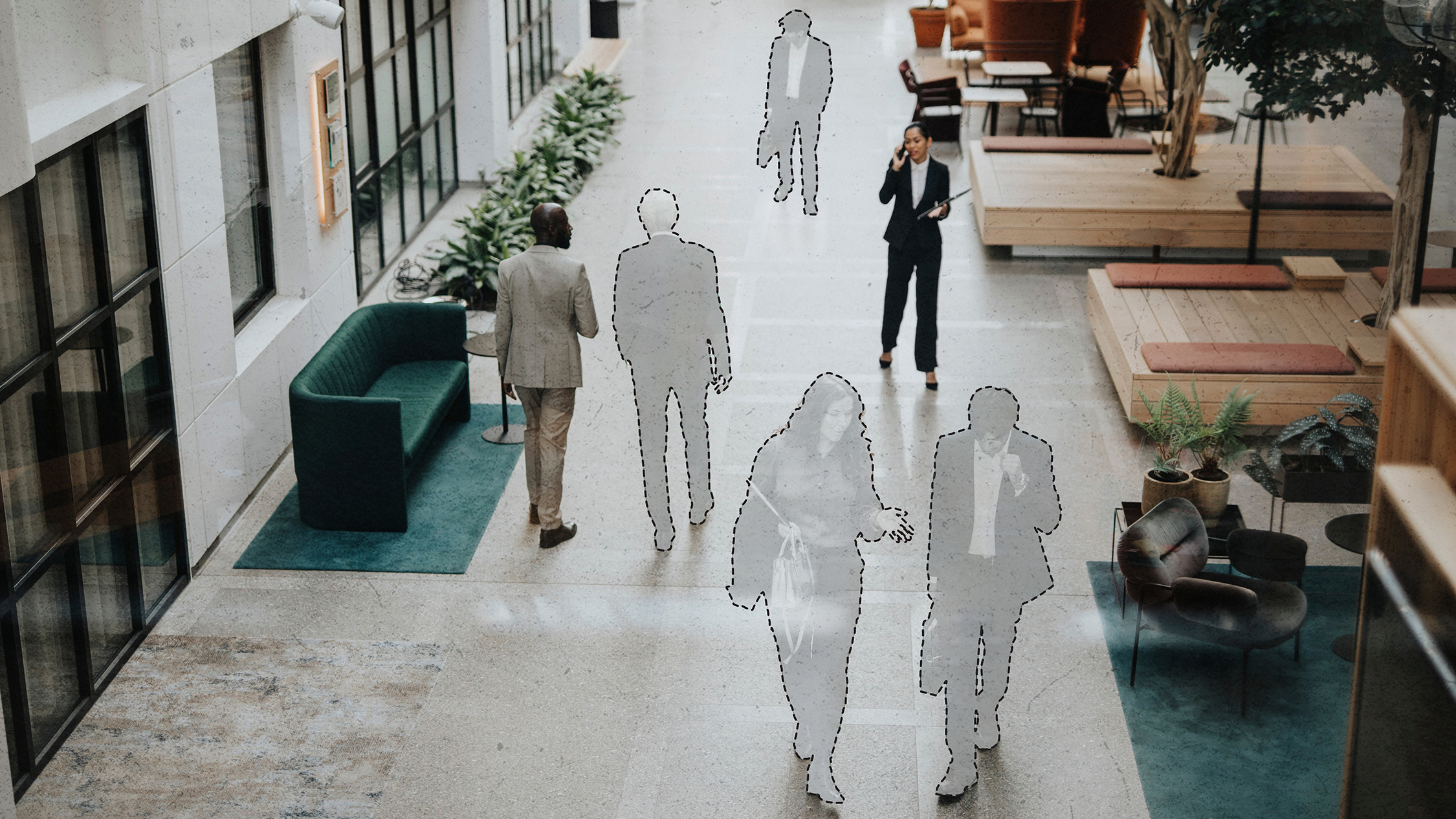
The COVID-19 pandemic called into question the economic vitality of U.S. cities. The rise of remote work meant employees experienced zero-minute commutes and a greater ability to balance their work and home lives. Cities, however, confronted the possibility that fewer people would choose to live and work in urban areas. For cities, this economic risk has also posed a budget risk: Cities’ primary revenue sources—property taxes, sales taxes, and income taxes—are typically influenced by the value of office buildings and the wages and spending of office workers.
Source: pew.org (39 points, 16 comments) Hacker News discussion
Reader Support
Support WebNovare
Send a crypto tip if this article helped you.
Log in or register to like, bookmark, watch tags, and comment.
Comments
No comments yet.
Log in or register to join the conversation.